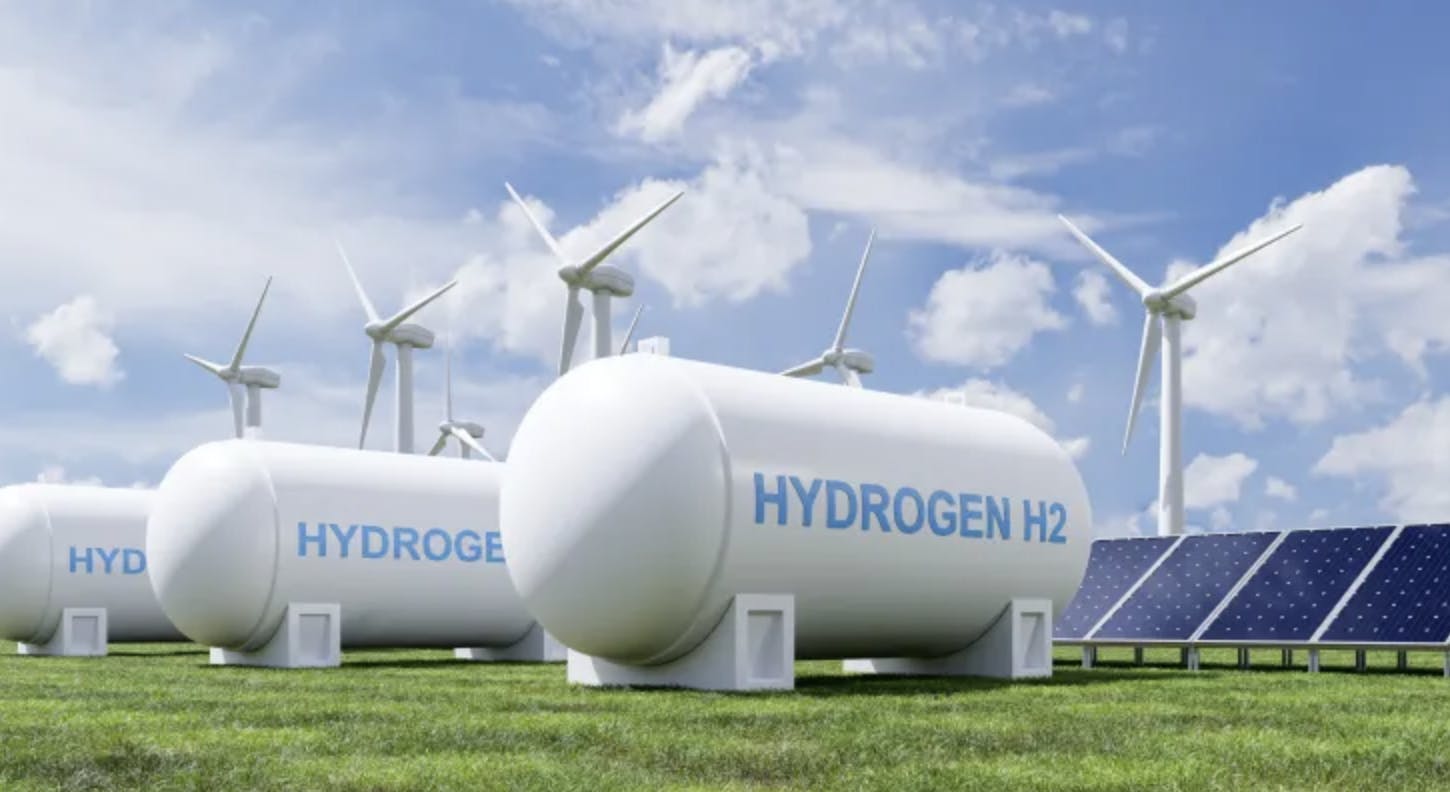
The energy sector is undergoing a significant transformation as countries strive to increase renewable energy penetration and achieve grid decarbonization. While variable renewable energy sources like solar and wind are crucial for this transition, their intermittency necessitates the uptake of energy storage solutions. Energy storage is essential for achieving high levels of variable renewable energy integration onto the grid and enabling 24/7 carbon-free energy supply. By reducing the curtailment of renewable energy and displacing high-carbon generators, energy storage technologies can significantly contribute to emission reduction. Energy markets with price volatility and changing peak prices favour the energy arbitrage revenue model; however, this model may be less profitable in regions that lack dynamic pricing. The arbitrage model alone is insufficient to justify investment in storage, therefore, businesses should be able to monetize additional grid services such as grid capacity support and ancillary services. High capital costs and revenue uncertainties pose significant financial challenges, emphasizing the need for cost-competitive short-, long-, and seasonal-duration storage technologies to replace fossil fuels. Policies and regulations are instrumental in supporting storage deployment, with incentives and revenue stacking crucial for financial viability. The absence of regulations mandating hourly matching of electricity consumption to carbon-free sources may hinder storage adoption in many markets because industries would lack a regulatory incentive to prioritize 24/7 carbon-free energy procurement.